
Well water
Before The Ground Freezes: A Fall Plan For Treasure Valley Well Owners
A sorting guide for Treasure Valley well owners: when to pull a fresh lab panel for nitrate, arsenic and uranium, and what can wait until spring.
Published by Treasure Valley Water Solutions
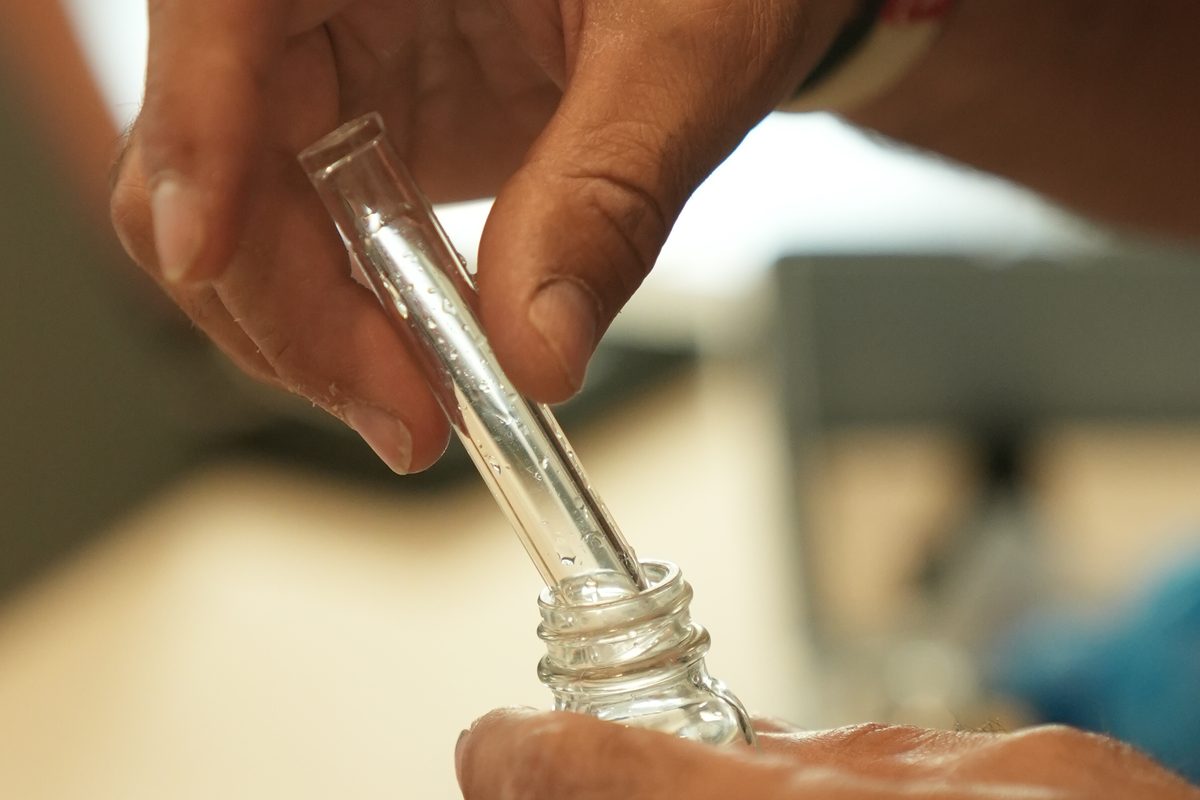
Fall is the practical window for well work in this valley. The ground is still soft, the wellhead is still reachable without shoveling snow off it, and a sample sent to a certified lab has time to come back and be acted on before anything freezes. Leave it until the new year and all three of those get harder.
So this is a sorting exercise, not a lecture. Find the paragraph that matches your well and do what it says. Skip the rest.
Start here: when was the last lab panel on this well?
Not the field test somebody ran at your sink. The lab report, with nitrate, arsenic and uranium on it. Go find the date. Everything below hangs off that one piece of paper.
If the panel was done when the well was drilled, and nothing since
Then you have a snapshot of what the water was doing one week, possibly a long time ago, and you have been treating it as a permanent description ever since.
Conditions move. Nitrate travels with groundwater, so a well can read clean one year and carry a real load the next when a neighboring field changes hands or an irrigation pattern shifts. Arsenic and uranium come out of the rock itself and cluster geographically, and two wells a mile apart can come back very differently depending on what the water passed through on its way up. Canyon County wells read positive for those two more often than most.
Get a fresh panel pulled this fall. That's the whole action item.
If there has never been a lab panel at all
There is nothing alarming in that by itself. A private well answers to nobody but its owner, so unless somebody chose to test it, nobody tested it. Municipal supplies in Boise, Meridian and Nampa are disinfected, monitored and reported. A well is yours alone.
Do it now, before winter, and do it properly. Roughly 5 percent of Idaho groundwater monitoring sites exceed the EPA nitrate limit of 10 mg/L. That's not most sites. It's also a long way from nobody, and the ones that fail cluster exactly where you'd expect, on farmed ground with shallow water underneath it.
If there is a pregnancy in the house, or a baby under six months on formula, move the panel to the front of the queue. Nitrate has no taste, no smell and no color, and in a very young child it interferes with how blood carries oxygen. Water at twice the limit looks identical to water at zero. The nitrate page covers who it puts at risk and what actually removes it.
If the panel is recent and came back clean
Good. Put the fall into the equipment instead, and re-sample at least once a year, sooner if anything below applies to you.
One thing worth knowing anyway: Idaho came into 2026 off one of the warmest winters since records began in 1896, with snowpack at or near record lows. Less snowmelt recharging the aquifer means the same mass of arsenic, uranium or nitrate sits dissolved in less water, so concentration can climb without anything new going into the ground. A clean report from a wetter year is not a promise about this one.
If anything near you changed this year
Re-sample, whatever the last report said. The triggers we'd act on:
- A neighboring field changed hands, changed crop, or went under a new irrigation pattern.
- A septic system went in, got replaced, or failed anywhere near your wellhead.
- A new well went in close by, or several did.
- Your water started staining laundry or porcelain orange, which is iron, and iron fouls softener resin as well as staining.
- The water smells like a struck match on a hot afternoon when it never used to.
None of those tell you a number. They tell you the old number is no longer evidence.
What the fall visit actually looks like
We come to the house and run the field checks at the tap you drink and cook from: hardness, chlorine, iron and manganese, dissolved solids and pH, read out loud at your counter while you watch. That half hour is free and there's no obligation attached to it.
Nitrate, arsenic, uranium and PFAS don't get read at a sink. Those need a certified laboratory, so we draw the sample, send it out, and nobody designs anything until the report is back. That waiting period is the real reason to start in October instead of February. A field kit cannot resolve what those tests measure, and anyone who tells you otherwise with a dipped strip in their hand is guessing.
What can wait until spring
Equipment decisions, if the panel comes back clean or the only finding is hardness. Hardness is a year round problem and treating it in March costs you nothing in risk.
What shouldn't wait is the sampling itself, and that's the only thing on this page we'd push anyone on. A certified result in hand before you have to decide anything gives you the whole winter to think about it. The arsenic and uranium page explains why those two cluster the way they do in this valley, city water or a well is worth reading if your household is on both, and the free water test is where the fall version of all this starts.
No charge, no obligation
Find out what is in
your own water
A free water test at your kitchen sink shows you what your water is carrying and what it is doing to the house. Monday to Friday, 8am to 6pm. Weekends by appointment.